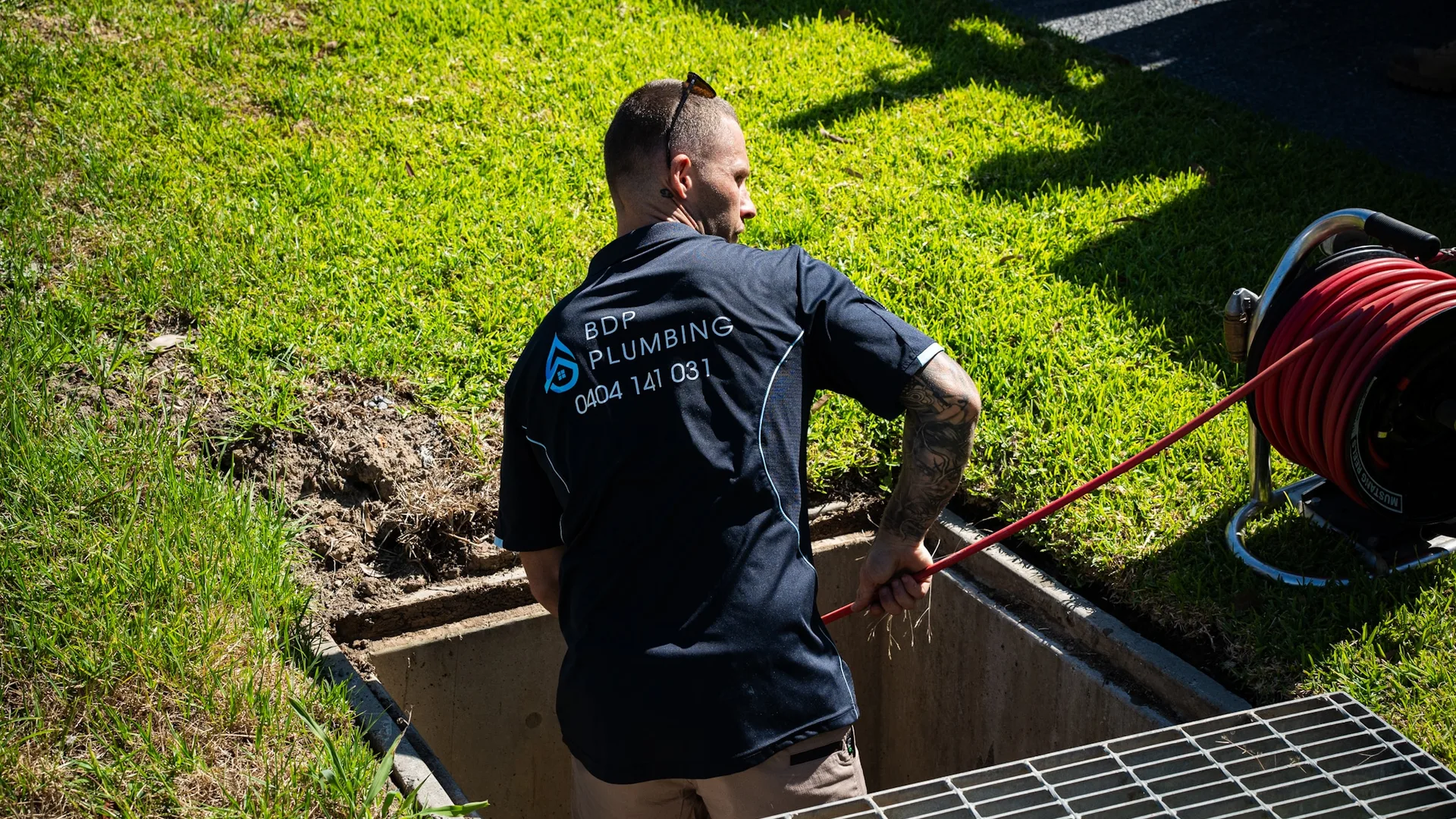
Drainage in Thornton
Blocked Stormwater Thornton
Blocked stormwater is one of the most common drainage jobs we get called to in Thornton, and the suburb's ground is a big part of the reason. Low-lying blocks, flat fall and heavy Hunter Valley storms put serious load on roof and yard drainage.
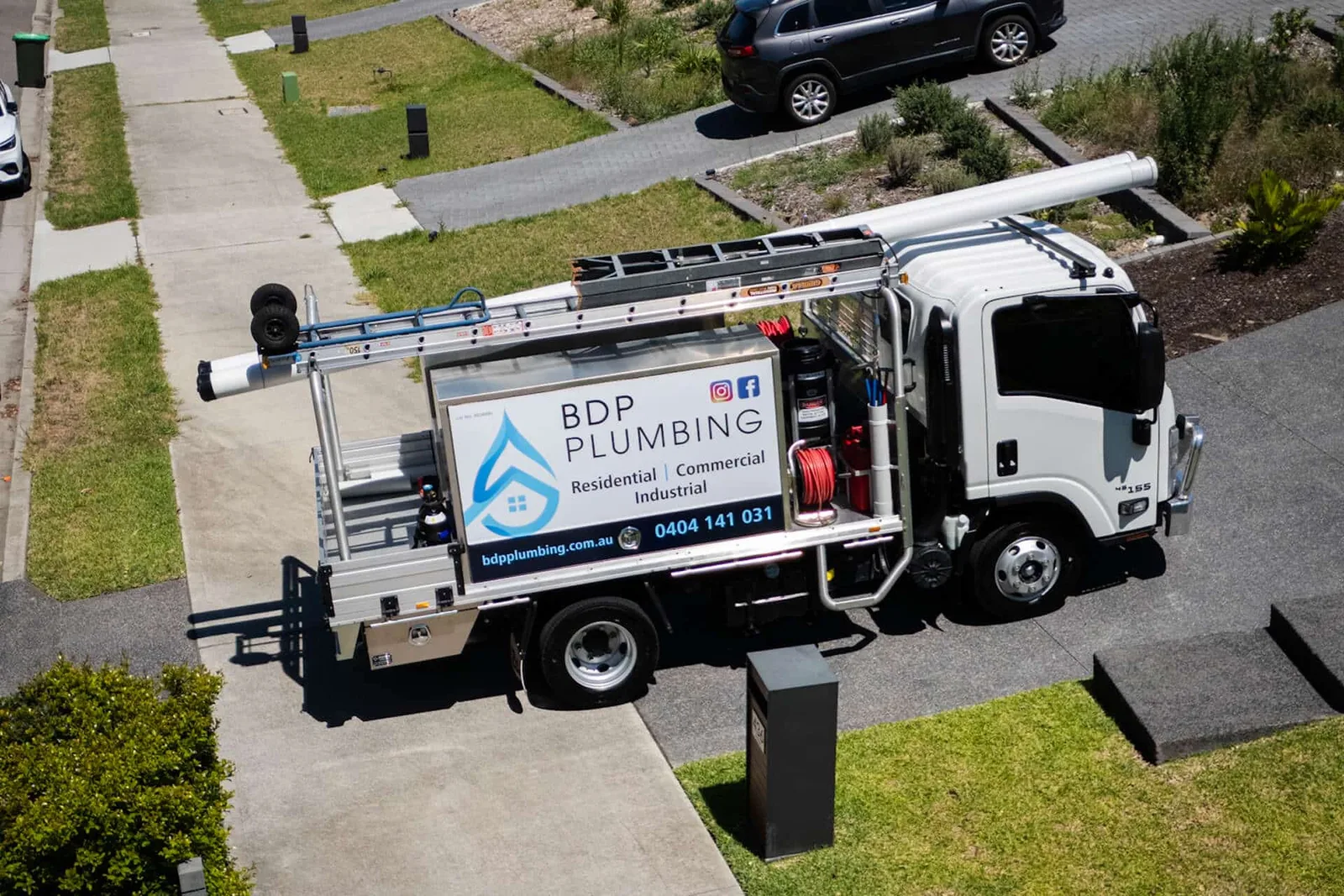
Overflowing pits after a storm? Ring (02) 4063 3455 and we will get a licensed plumber onto it, with the right gear for floodplain drainage on the truck.
Every job starts with a $0 call out and a clear quote before any work begins. Licensed plumbers handle the lot: drains, hot water, gas fitting and general repairs. If something isn't up to standard, we come back and make it right, no questions asked.
Why stormwater lines choke on this ground
Most of the suburb sits on Hunter River and Wallis Creek alluvial floodplain, and that terrain shapes every stormwater job out here.
Flat ground, slow water
A shallow water table
Reactive clay under the surface
Mature trees in the older streets
It is not just the oldest parts of town either. Even around the Somerset Park estate, where homes near Somerset Drive Park No. 1 went up in recent land releases, new townhouse blocks concentrate roof runoff into small pits, and a single heavy cell can test them hard.
Signs the stormwater line is blocked
Watch for these around the yard and driveway after rain:
- Water pools on the lawn or paving well after the rain has stopped, instead of draining away within an hour or so
- Pits and grates overflow or gurgle during ordinary downpours, not just the big summer cells
- Gutters back up at the downpipe outlets even though the gutters themselves are clean
- A damp patch that keeps returning in the same spot, often over a buried line
- Water tracking towards the house or under it instead of out to the street
One of these on its own can be minor. Two or more together usually means a choke in the run, and the next decent storm will find it before you do.
How the blockage gets cleared
- 1
Call and tell us
Ring (02) 4063 3455 and tell us what's going on in Thornton. We'll ask a few quick questions so the right gear is on the truck the first time.
- 2
Quote before work
You get the price before anything starts. No call-out fee, no hourly surprises; you approve the quote or we shake hands and leave, no charge.
- 3
Clear the run and prove it
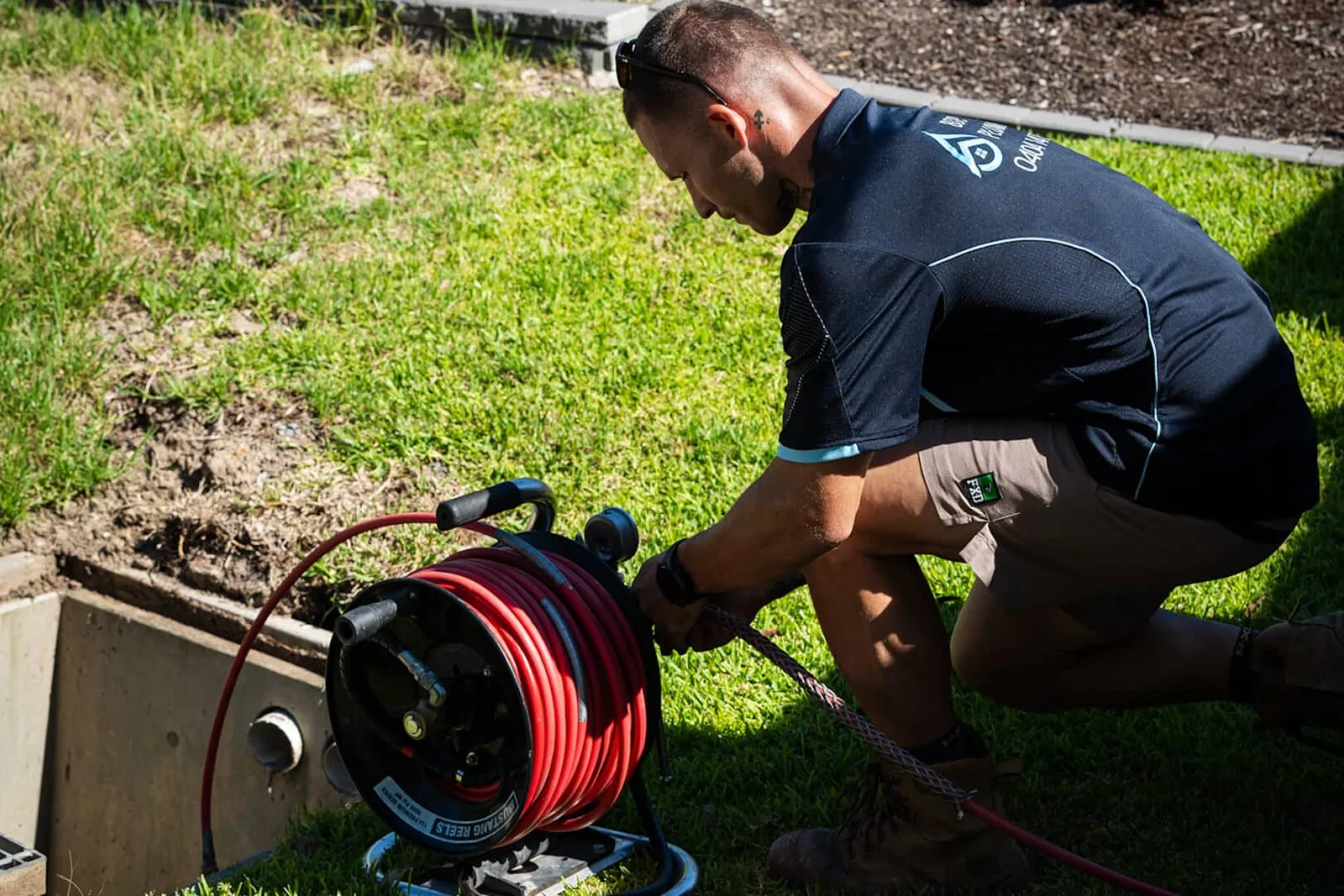
We locate the choke, jet the line out and check it actually flows afterwards, so the fix holds through the next storm rather than just the next hour.
- 4
Backed, no questions asked
If something isn't up to standard afterwards, we come back and make it right, no questions asked. That's the standard every Thornton job is held to.
What a stormwater callout covers
Four things get looked at on a typical job:
Roofwater and downpipe runs
Downpipes, surface drains and the yard lines that carry roof runoff out to the street all get cleared by jetting, then flushed and left flowing before we pack up the gear.
Pits, grates and surcharge points
Yard pits fill with silt, leaves and garden waste over the years, so we clear the pit out, flush the connected run and confirm the fall still moves water.
Lines on the low-lying blocks
On the floodplain side the water table sits shallow and the fall is almost nil, so those runs carry the least margin and get checked twice before we call it done.
Damage found along the way
Sometimes the camera finds a cracked section, a displaced joint or a root mass that has split the pipe, and clearing alone will not hold. You see the footage first.
Storm season on the floodplain
Summer out here runs hot and often dry, then a single storm cell can drop a big share of the roughly 969mm the district averages in a year within a few hours. That is exactly the pattern a marginal stormwater line hates.
Sort a sluggish line while it's dry.
Know your overflow points.
The same flat ground runs through the neighbouring suburbs, and the same crews work all of it: Plumber Chisholm, Plumber Beresfield, Plumber Woodberry, Plumber Ashtonfield and Plumber Metford.
Related drainage and plumbing work
Stormwater sits inside a wider drainage arm, and these pages cover the rest:
Stormwater questions we hear
How do I know it is stormwater and not the sewer?
Sewer trouble usually brings sewage or smells inside the house, while a stormwater blockage shows up outside first, with pits overflowing and water pooling around the yard after rain.
Can I clear a stormwater pit myself?
Scooping leaves off the grate helps, but a line that keeps backing up has a choke further down the pipe. A proper clear needs jetting gear, which is licensed work.
Will heavy rain alone cause my drains to back up?
A healthy line should handle a normal downpour. If yours floods every time a decent storm crosses the valley, there is a partial choke or a fault worth sorting out.
Do tree roots get into stormwater pipes too?
They do. Roots chase moisture in any buried pipe, and in streets planted out during the 1980s and 90s, mature trees have reached the joints of older stormwater runs.
What does clearing a stormwater blockage cost?
The call out costs nothing and you get the quote in writing before any work starts. The figure depends on where the choke sits and what the camera finds.
Do you cover nearby suburbs for stormwater work?
Yes. The same crews cover Chisholm, Beresfield, Woodberry, Ashtonfield and Metford, where the same low, flat country lets stormwater lines back up after big rain.
Call (02) 4063 3455 and tell us what's happening. $0 call out across Thornton, a clear quote before any work starts, and a job that gets made right if it isn't right the first time.
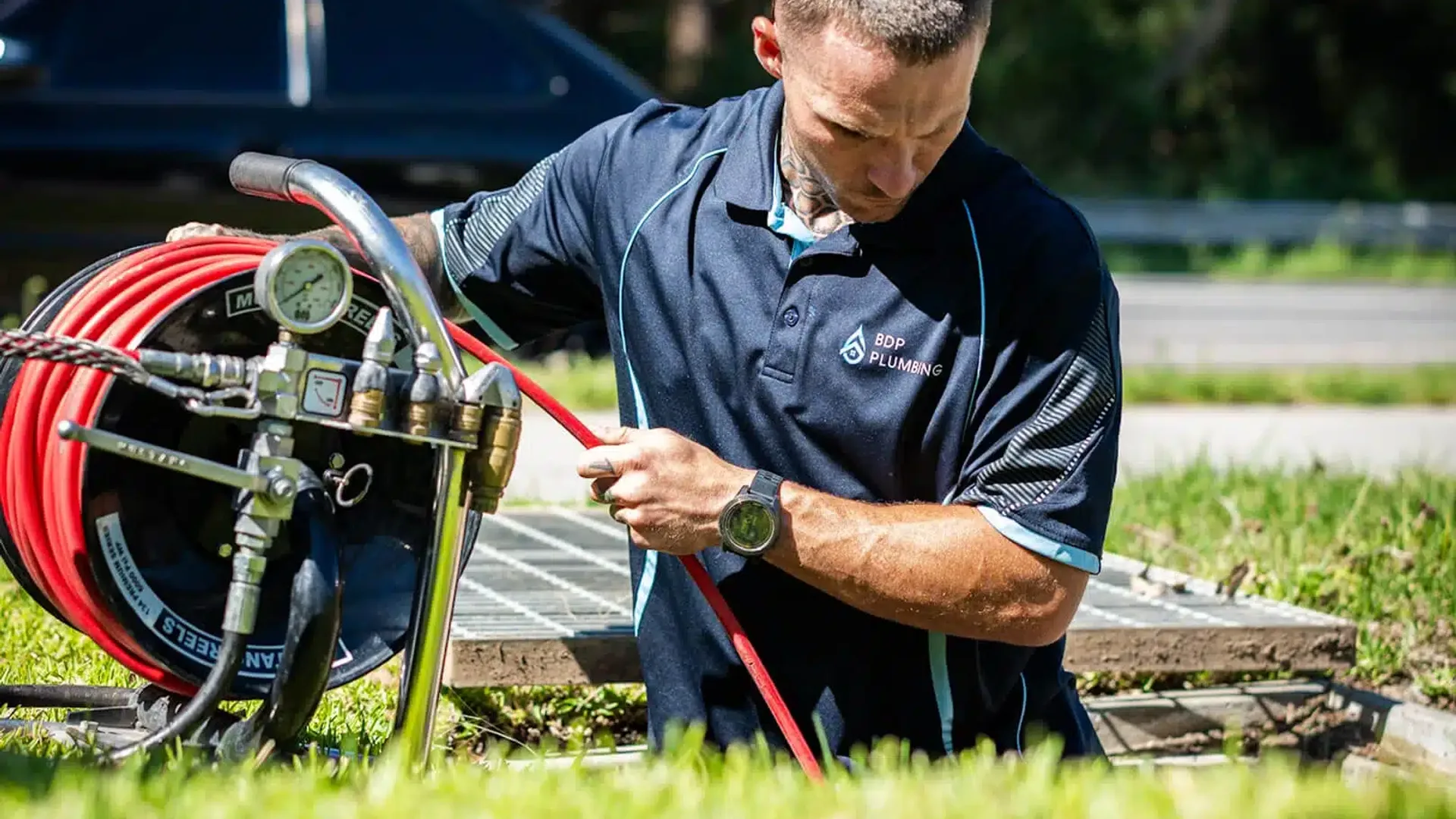
Plumbers in Thornton and the suburbs around it